

Blog
How Long Do Pavers Last? Lifespan of Pavers, Concrete & Natural Stone on Long Island
Doug Connell • August 19, 2026
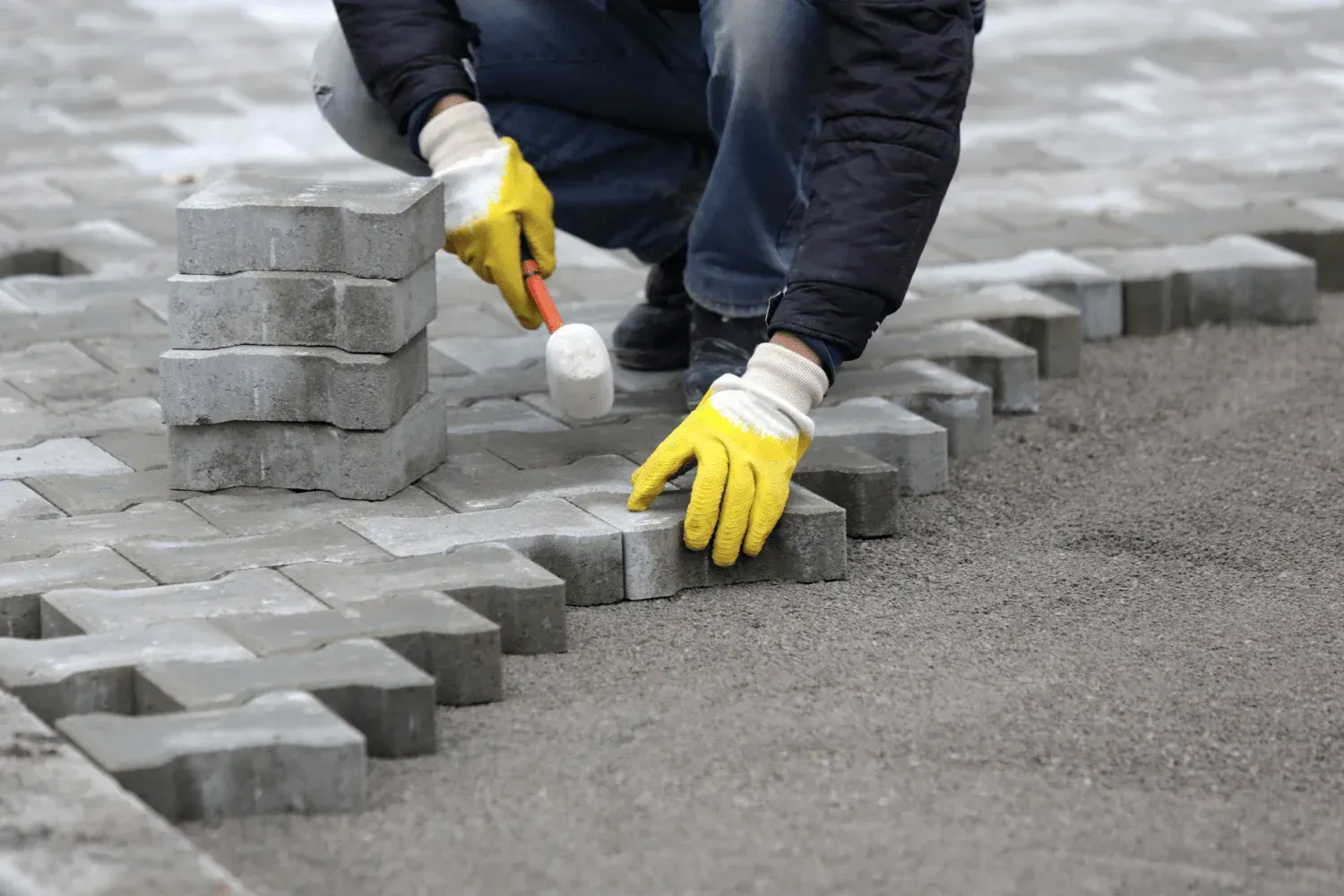
If you are wondering how long pavers last, a properly installed paver patio, walkway, or driveway can often last 25 to 50 years or more. On Long Island, the actual lifespan depends on the material, base preparation, drainage, seasonal weather, and maintenance. That is why choosing the right material matters, but choosing the right installation team matters just as much.
For homeowners in Massapequa and across Nassau County, outdoor surfaces like paver driveways, walkways, patios, stoops and steps, and retaining walls must withstand rain, freeze-thaw cycles, soil movement, daily foot traffic, and vehicle weight. Pavers, concrete, and natural stone can all be durable options, but they age differently. Understanding those differences can help you plan a hardscape that looks good and holds up for years.
Hardscape Lifespan By Material
Every hardscape material has its own strengths, limits, and maintenance needs. Some materials are easier to repair, while others offer a more solid or natural look. The table below gives a simple overview of what Long Island homeowners can expect.
| Hardscape Material | Average Lifespan | Best For | Maintenance Level |
|---|---|---|---|
| Concrete Pavers | 25 to 50+ years | Patios, walkways, driveways | Moderate |
| Poured Concrete | 25 to 50+ years | Driveways, slabs, walkways | Low to moderate |
| Natural Stone | 50+ years | Patios, walkways, and premium masonry | Moderate |
| Bluestone or Flagstone | 30 to 50+ years | Patios, steps, walkways | Moderate |
| Brick Pavers | 30 to 50+ years | Walkways, patios, accents | Moderate |
These materials are often used for patio installation, walkway installation, driveway installation, and other masonry projects around Long Island homes. The right material should match the purpose of the space, whether it needs to support vehicles, create safer entry access, or add a more finished outdoor living area. These numbers are general averages, not guarantees.
Pavers, Concrete, And Natural Stone: What Lasts Best?
Pavers, concrete, and natural stone can all be long-lasting options, but they perform differently over time. The right choice depends on your budget, design goals, repair expectations, and how the space will be used. These materials are commonly used for paver patios, paver walkways, driveways, natural stone patios, and masonry steps.
- Pavers: A strong choice for patios, walkways, driveways, and pool areas because individual pieces can often be lifted, reset, or replaced.
- Concrete: A practical option for simple slabs, driveways, walkways, stoops, and steps, but cracks can be harder to hide once they appear.
- Natural stone: Often the longest-lasting and most premium-looking option, especially for patios, walkways, steps, retaining walls, and masonry features.
Pavers usually handle slight movement better than one large concrete slab. Concrete provides a clean, solid finish, but it can crack when the ground shifts or when water freezes beneath it. Natural stone can last for decades, but it still needs a stable base, proper joints, and good drainage.
What Affects Hardscaping Durability In Nassau County?
Hardscaping durability in Nassau County depends heavily on what happens below the surface. A patio, walkway, driveway, stoop, or retaining wall may look finished on top, but the base, pitch, and drainage are what help it last. This is especially important on Long Island, where seasonal weather and moisture can, over time, affect outdoor surfaces.
The biggest factors include:
- Base preparation: A compacted base helps reduce sinking, shifting, and uneven spots.
- Drainage: Proper pitch directs water away from the surface rather than letting it collect.
- Traffic level: Driveways need stronger support than patios or walkways.
- Edge restraints: Strong edging helps keep pavers locked in place.
- Maintenance: Cleaning, joint care, and repairs help prevent small issues from spreading.
When these details are handled correctly, the finished surface is more stable and easier to maintain. When they are skipped, problems can show up much sooner. That is why professional hardscaping is a major part of long-term hardscape performance.
Concrete Vs Pavers On Long Island
When comparing concrete vs pavers on Long Island, the better choice depends on your goals. Concrete may work well if you want a simple, solid surface with a clean finish. Pavers may be better if you want more design options, easier repairs, and a surface that can handle slight movement.
This comparison is especially helpful if you are planning a new driveway, front walkway, backyard patio, or outdoor living upgrade. Both materials can work well, but they do not offer the same repair options, design flexibility, or long-term appearance.
| Factor | Concrete | Pavers |
|---|---|---|
| Repair Options | Cracks and patches can be more visible. | Individual pavers can often be lifted, reset, or replaced. |
| Design Flexibility | Usually offers a simpler, more uniform look. | Offers more patterns, colors, borders, and layout options. |
| Cracking Risk | Can crack with ground movement, heavy use, or freeze-thaw conditions. | More flexible because individual units can move slightly. |
| Long-Term Appearance | May show cracks, stains, or surface wear over time. | Can often be refreshed with cleaning, joint sand, and repairs. |
| Best Use | Simple driveways, slabs, walkways, and utility areas. | Patios, walkways, pool areas, decorative driveways, and outdoor living spaces. |
For many homeowners, the decision comes down to appearance, budget, and maintenance expectations. Both materials can work well when installed correctly. The main difference lies in how each handles movement, repairs, and long-term wear.
How To Make Your Hardscape Last Longer
Paver maintenance on Long Island does not have to be complicated, but it should be consistent. This applies to paver patios, walkways, driveways, and other outdoor masonry areas that see regular use. Leaves, weeds, moss, stains, and winter residue can affect the surface's appearance and condition over time.
Helpful maintenance steps include:
- Sweep and rinse the surface regularly.
- Remove weeds before they spread through the joints.
- Refill joint sand when needed.
- Clean oil, leaf, and organic stains early.
- Consider sealing if it is right for the material.
- Repair sunken or loose areas before they get worse.
Water is one of the biggest causes of hardscape problems, so drainage should always be watched closely. If you notice standing water, low spots, spreading edges, or loose stones, it is better to address the issue early. Small repairs are usually easier to manage before the surface becomes unsafe or uneven.
When To Call A Hardscape Contractor In Massapequa
If your patio, walkway, driveway, or stonework is starting to shift, crack, sink, or hold water, it may be time to have it inspected. Some hardscape problems can be repaired, while others may point to deeper base or drainage issues. Professional hardscaping can help determine whether the surface needs maintenance, repair, or replacement.
You may want to call a hardscape contractor if you notice:
- Sunken pavers or low spots
- Standing water after rain
- Loose stone or widening joints
- Cracked concrete slabs
- Edges spreading outward
- Uneven steps or walkway sections
- Drainage washing out the base
Tuozzolo and Son Construction provides hardscaping and masonry services for homeowners in Massapequa and across Long Island. Our team works on paver patios, walkways, driveway installation, concrete work, natural stone patios, bluestone and flagstone work, stoops and steps, retaining walls, outdoor kitchens, fire pits, and artificial turf installation.
Contact us today to start planning a hardscape project built to last.